|
|
|
|
|
|
|
|
|
|
|
|
|
|
|
|
|
|
|
|
|
|
Ion exchange resin analysis
|
|
|
|
|
|
|
|
|
Periodic laboratory testing and analysis of your ion exchange resin is recommended to ensure the optimum performance of your water treatment system.
Ion Exchange resin testing helps determines the quality of your resin and can help to diagnose your water system's operating problems.
Periodic testing of your resin helps to ensure that your system continues to operate optimally and efficiently.
Lenntech can testing your resin with the following sevices;
|
|
|
|
|
Total Exchange Capacity (TEC) |
|
|
|
|
|
|
|
|
|
|
|
|
|
|
|
|
|
|
|
|
|
Strong Base (Salt-Splitting) Capacity (SSC) |
|
|
|
|
|
|
|
|
|
|
|
|
|
|
|
|
|
|
|
|
|
Weak Base Capacity (WBC) |
|
|
|
|
|
|
|
|
|
|
|
|
|
|
|
|
|
|
|
|
Water Retention Capacity (WRC) |
|
|
|
|
|
|
|
|
|
|
|
|
|
|
|
|
|
|
|
Total Exchange Capacity as received (TEC as received) |
|
|
|
|
|
|
|
|
|
|
|
|
|
|
|
|
|
|
|
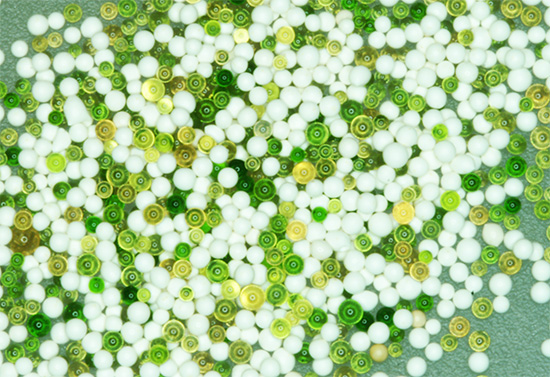
Microscopic Bead Examination |
|
|
|
|
|
|
|
|
|
|
|
|
|
|
|
|
|
|
|
Organic Fouling |
|
|
|
|
|
|
|
|
|
|
|
|
|
|
|
|
|
|
|
Resin Fouling |
|
|
|
|
|
|
|
|
|
|
|
|
|
|
|
|
|
|
|
Resin Kinetic Response |
|
|
|
|
|
|
|
|
|
|
|
|
|
|
|
|
|
|
|
Ionic Rinse Volume |
|
|
|
|
|
|
|
|
|
|
|
|
|
|
|
|
|
|
|
|
|
Particle Size Distribution |
|
|
|
|
|
|
|
|
|
|
|
|
|
|
|
|
|
|
|
|
|
Resin Cleaning Tests |
|
|
|
|
|
|
|
|
|
|
|
|
|
|
|
|
|
|
|
|
|
|
|
|
|
|
|
|
|
|
|
|
Group
|
Description
|
|
|
|
|
|
|
|
|
|
|
|
|
|
|
|
|
|
|
|
SAC |
|
Strong Acid Cation
Microscopic Examination (photographs, broken beads (%), cracked beads (%), Coating), Moisture content, Inorganic and Organic fouling, Density |
|
|
|
|
|
|
|
|
|
|
|
|
|
|
|
|
|
|
|
WAC |
|
Weak Acid Cation
Capacity, Microscopic Examination (photographs, broken beads (%), cracked beads (%), Coating), Moisture content, Density, Inorganic fouling. |
|
|
|
|
|
|
|
|
|
|
|
|
|
|
|
|
|
|
|
SBA |
|
Strong Base Anion
Capacity, Microscopic Examination (photographs, broken beads (%), cracked beads (%), Coating), Moisture content, Density, Organic and Inorganic fouling |
|
|
|
|
|
|
|
|
|
|
|
|
|
|
|
|
|
|
|
WBA |
|
Weak Base Anion
Capacity, Microscopic Examination (photographs, broken beads (%), cracked beads (%), Coating), Moisture content, Density, Organic fouling, Inorganic fouling |
|
|
|
|
|
|
|
|
|
|
|
|
|
|
|
|
|
|
|
Specials |
|
Costs for special studies are based on hourly rates
Cleaning Studies – Fouling characterization |
|
|
|
|
|
|
|
|
|
|
|
|
|
|
|
|
|
|
|
|
|
|
|
|
|
|
|
|
|
|
|
|
|
|
|
|
|
|
Deposit and microbiology laboratory analysis
|
|
|
|
|
|
|
|
|
The complete analysis of a deposit is critical in determining the appropriate deposit control program for a machine. On-site evaluations using light microscopy and simple qualitative tests provide preliminary answers to the problem. More detailed information is obtained from semi-quantitative and quantitative laboratory analyses.The resulting data on the deposit combined with system knowledge are essential in choosing and implementing the correct deposit control program.
Deposits that impact a machine efficiency and runnability are categorized as organic, inorganic, or microbiological. Typically, most deposits will be a combination of all of these. Organic deposits generally are classified into four groups: pitch, stickies, papermaking additives, and white pitch. Inorganic deposits include scale, filler, and other inorganic components. Common scales are calcium carbonate (CaCO3), barium sulfate (BaSO4), alumina (Al[OH]3), and calcium oxalate (CaC2O4).
|
|
|
|
|
|
|
|
|
|
|
|
|
|
|
|
|
|
|
|
|
|
|
|
|
|
Group
|
|
Description
|
|
|
|
|
|
|
|
|
|
|
|
|
|
|
|
|
|
|
|
LOI 105ºC |
|
Loss On Ignitions at 105ºC |
|
|
|
|
|
|
|
|
|
|
|
|
|
|
|
|
|
|
|
LOI 550ºC |
|
Loss On Ignitions at 550ºC |
|
|
|
|
|
|
|
|
|
|
|
|
|
|
|
|
|
|
|
LOI 840ºC |
|
Loss On Ignitions at 840ºC |
|
|
|
|
|
|
|
|
|
|
|
|
|
|
|
|
|
|
|
Inorg Dep |
|
Inorganic Elemental Analysis by WD-XRF (Fluorine to Uranium) |
|
|
|
|
|
|
|
|
|
|
|
|
|
|
|
|
|
|
|
Org Dep |
|
Organic Analysis by FTIR |
|
|
|
|
|
|
|
|
|
|
|
|
|
|
|
|
|
|
|
Total Dep |
|
Complete deposit Analysis (Excl Microbiological Microscopic Exam.) |
|
|
|
|
|
|
|
|
|
|
|
|
|
|
|
|
|
|
|
MB Dep |
|
Microscopic deposit examination
Microscopic deposit examination, incl. photo documentation |
|
|
|
|
|
|
|
|
|
|
|
|
|
|
|
|
|
|
|
MBF |
|
Microbiological examination on fuels and hydrocarbon fluids
Cultural & microscopic examination of all phases |
|
|
|
|
|
|
|
|
|
|
|
|
|
|
|
|
|
|
|
MBC |
|
Standard Cultural examination (Total Aerobic Bacteria, Mould/Yeast, Sulphate reducing bacteria |
|
|
|
|
|
|
|
|
|
|
|
|
|
|
|
|
|
|
|
Algae |
|
Microscopic Algae count in water samples |
|
|
|
|
|
|
|
|
|
|
|
|
|
|
|
|
|
|
|
CTW |
|
Cooling Tower Wood Examination
Macroscopic and Microscopic examination, report incl. photos |
|
|
|
|
|
|
|
|
|
|
|
|
|
|
|
|
|
|
|
MB 1 |
|
Product Evaluation – Planctonic bottle Essay
up to 4 biocides @ 3 concentrations, 2 contact times |
|
|
|
|
|
|
|
|
|
|
|
|
|
|
|
|
|
|
|
MB 2 |
|
Product Evaluation – Planctonic bottle Essay
Suspension of deposit
up to 4 biocides @ 3 concentrations, 2 contact times |
|
|
|
|
|
|
|
|
|
|
|
|
|
|
|
|
|
|
|
MB 3 |
|
Activated Sludge Characterisation
Microscopic examination – identification of filamentous bacteria (traditional morphological - staining – photomicrographs |
|
|
|
|
|
|
|
|
|
|
|
|
|
|
|
|
|
|
|
MB 4 |
|
Activated Sludge Characterisation
Problem Solving: Microscopic examination – identification of filamentous bacteria (traditional morphological - staining – Report with discussion and - photomicrographs |
|
|
|
|
|
|
|
|
|
|
|
|
|
|
|
|
|
|
|
MB 5 |
|
Idem as MB 4 + determination of nitrifying bacteria (FISH)
Problem Solving: Microscopic examination – staining – Report with discussion and - photomicrographs |
|
|
|
|
|
|
|
|
|
|
|
|
|
|
|
|
|
|
|
MB 6
(Mid 2012) |
|
Idem as MB 5 + determination of filamentous bacteria (FISH)
Problem Solving: Microscopic examination – staining – Report with discussion and – photomicrographs |
|
|
|
|
|
|
|
|
|
|
|
|
|
|
|
|
|
|
|
BOD 1 |
|
Biodegradability Study
BOD at 20ºC, 5 or 28 days |
|
|
|
|
|
|
|
|
|
|
|
|
|
|
|
|
|
|
|
BOD 2 |
|
Biodegradability Study, 28 days
Zahn-Wellens Test (including TOC and COD analyses |
|
|
|
|
|
|
|
|
|
|
|
|
|
|
|
|
|
|
|
MICROTOX |
|
Toxicity
Microtox testing – EC50 determination |
|
|
|
|
|
|
|
|
|
|
|
|
|
|
|
|
|
|
|
TGA |
|
Thermo-gravimetric Curve (Weight Loss in Function of Temperature |
|
|
|
|
|
|
|
|
|
|
|
|
|
|
|
|
|
|
|
Specials |
|
Costs for these studies are based on hourly rates
Toxicity vs activated sludge – respiration inhibition study
Macrofouling examination
Others |
|
|
|
|
|
|
|
|
|
|
|
|
|
|
|
|
|
|
|
|
|
|
|
|
|
|
|
Corrosion tests
|
|
|
|
|
|
|
|
|
|
|
|
|
|
|
|
|
|
|
|
|
|
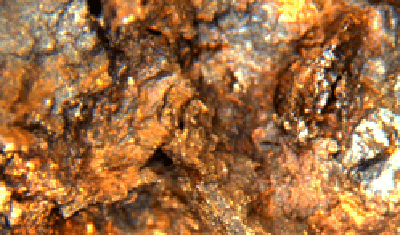
Lenntech corrosion laboratories are staffed by professional failure analysts, chemists, and engineers trained in corrosion testing. |
|
|
|
|
|
|
|
|
|
|
|
|
|
|
|
|
|
|
|
|
|
|
|
|
|
|
|
 |
|
|
|
|
|
|
|
|
|
|
|
|
|
|
|
|
|
|
|
|
|
|
|
|
|
|
|
|
|
|
|
|
|
|
|
|
|
|
Coagulation / Flocculation testing
|
|
|
|
|
|
|
|
|
|
|
|
|
|
|
|
|
|
|
|
A wide variety of chemicals exist for use in clearing raw water of suspended solids in coagulation/flocculation processes. It is known that the effectiveness of these coagulants has a complex dependency on the nature of the raw water, being affected by such things as temperature, pH, and especially the specific proportions of organic, inorganic, and biological particles that constitute the suspended solids. Furthermore, it is typically found that combinations of coagulants can be used to achieve much higher performance and process efficiency, but this performance again depends on the complex nature of the water source.
|
|
|
|
|
|
|
|
|
|
|
|
|
|
|
|
|
|
|
|
|
|
|
|
|
|
|
|
|
|
|
|
|
|
|
|
|
|
|
|
|
|
|
|
|